
How to Prevent Mold Growth During High-Humidity Months
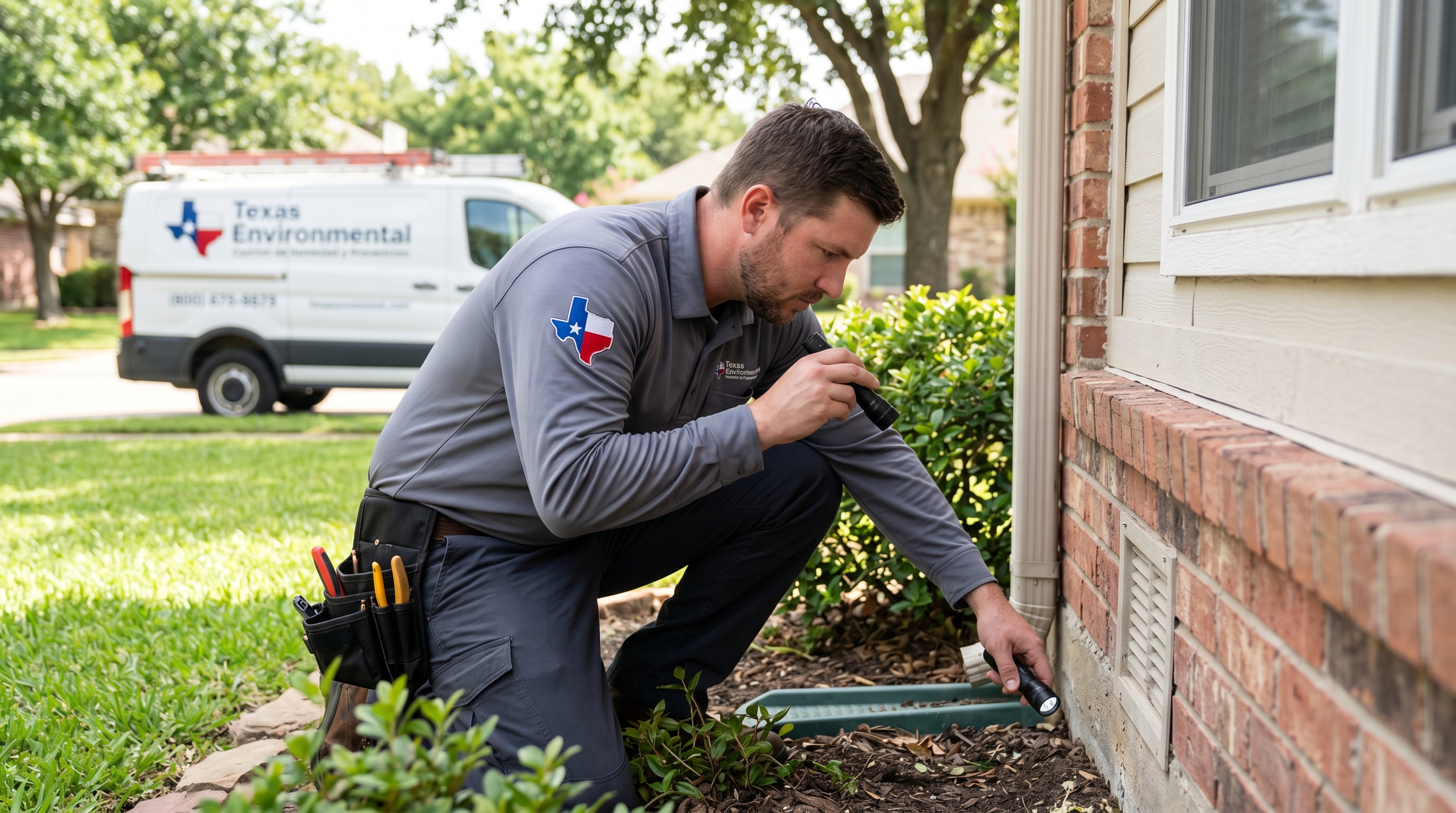
Protect your property from devastating mould infestations with these proactive moisture control and ventilation strategies.
High humidity and seasonal rainfall create the perfect breeding ground for mould. Taking proactive environmental control measures is the most effective way to safeguard your property’s structural integrity and your family's health.
1. Regulate Indoor Humidity with Precision
Deploy dehumidifiers in high-risk areas like basements, crawl spaces, and laundry rooms. Keeping humidity levels below 50% dramatically reduces the likelihood of spore germination.
2. Route Water Away from the Foundation
Ensure gutters are clear of debris and that downspouts extend at least six feet away from your home's base to prevent pooling and subterranean moisture infiltration.
3. Insulate Cold Surfaces
Condensation forms when warm, humid air contacts cold surfaces like exterior walls, single-pane windows, and metal pipes. Adding proper insulation prevents this moisture from collecting.
4. Act Swiftly on Spills and Leaks
Mould can begin to grow on damp surfaces within 24 to 48 hours. Drying water spills, repairing plumbing leaks, and replacing water-damaged carpets immediately is a critical preventive step.
Pro Tip: Complete a full perimeter check of your home's exterior after any major storm to identify and seal potential moisture entry points early.